
Rats
Gnaw cables and pipes, contaminate food and can carry disease. Noises at night, droppings and burrows.
Rat controlRodent & wildlife control
Rats, mice and squirrels gnaw cables, contaminate food and nest in lofts. Foxes, rabbits and moles dig up gardens and damage property. Whatever you’ve got, we identify it first, deal with it humanely and lawfully, and stop it coming back.
Global Pest Control provides rodent and wildlife control for homes, farms and businesses across Dundee, Perth, Fife and Angus, including Broughty Ferry, Carnoustie, Arbroath, Montrose, St Andrews, Cupar, Glenrothes, Kirkcaldy and Dunfermline. Choose the animal below, or call us and we’ll work out what you have.
Pests in your property? Call 07519 922527Free survey and quote


BPCA & RSPH trained
Open 7 days, 8am – 10:30pm

We identify the animal and how it’s getting in.
Methods suited to the species and the site.
Entry points sealed so they can’t return.
Nests, droppings and damage dealt with.
Click through for signs, risks and how we deal with each one.
Gnaw cables and pipes, contaminate food and can carry disease. Noises at night, droppings and burrows.
Rat control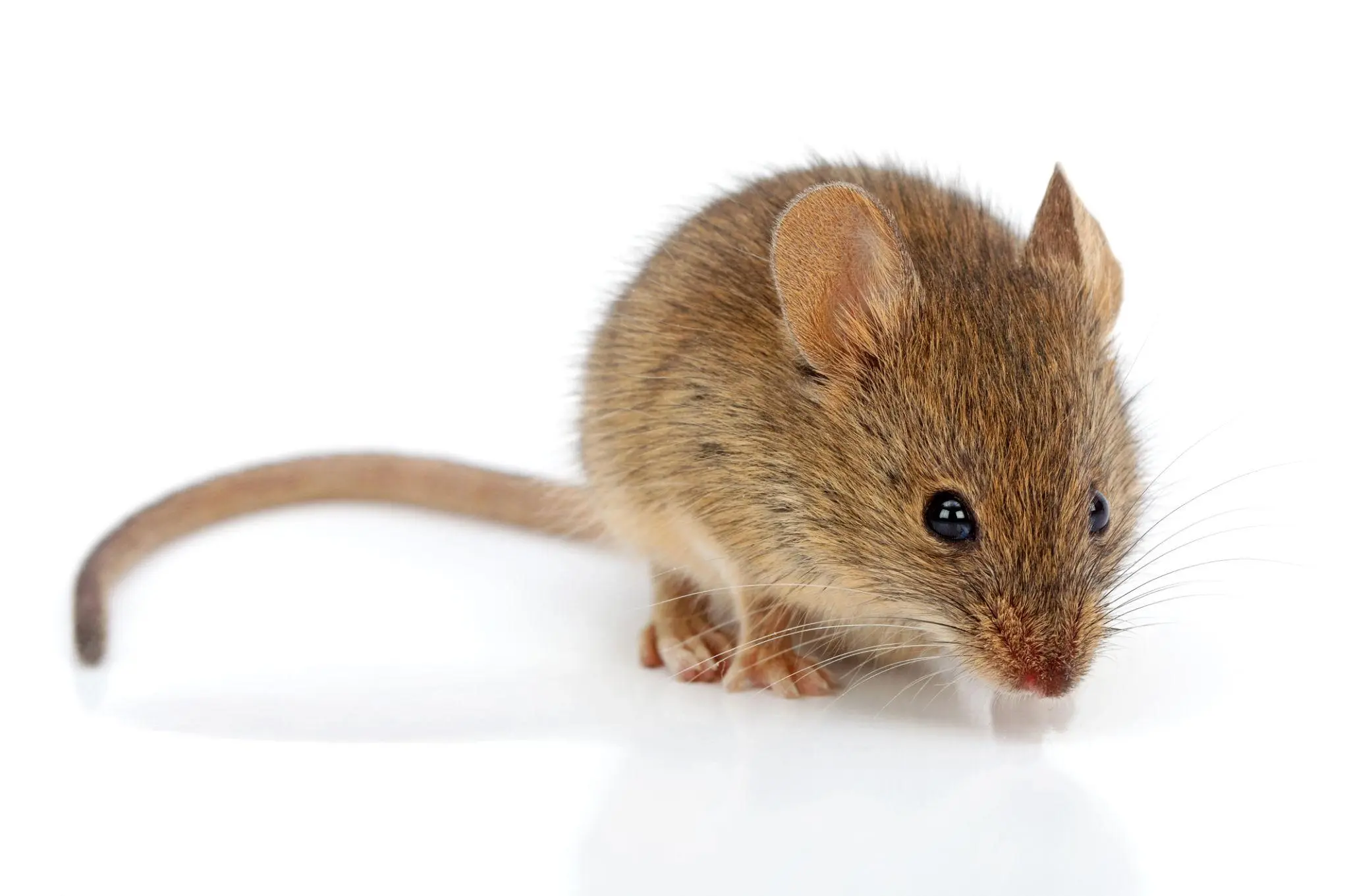
Breed fast, contaminate food and chew wiring. Small droppings, scratching and gnawed packaging.
Mouse controlActive in the daytime, nest in lofts and gnaw wood and wiring. Thumping in the roof and damaged insulation.
Squirrel control
Ruin lawns, greens and pitches with molehills and tunnels. Fresh mounds of loose soil.
Mole control
Burrow under lawns and buildings and graze gardens and crops. Burrows, droppings and nibbled plants.
Rabbit controlDig, foul and den under sheds, and kill poultry and pets. Torn bins, smells and noise at night.
Fox controlA quick guide to the signs, when you notice them and what usually causes them.
| Typical signs | When you notice them | |
|---|---|---|
| Rats | Large capsule-shaped droppings, gnawed holes, greasy runs along walls, burrows outside | Mostly at night. Scratching, scurrying and squeaking in walls, floors and lofts |
| Mice | Small rice-sized droppings, gnawed packaging, nests of shredded material, musty smell | Mostly at night. Light scratching and scampering behind skirting and in cupboards |
| Squirrels | Gnawed wood and wires, torn insulation, nests of leaves and twigs, damaged soffits | In the daytime, especially early morning and late afternoon. Heavy thumping in the roof |
| Moles | Mounds of fine, loose soil on lawns, fields and greens, with surface tunnels | Fresh mounds appear overnight, especially after rain and in spring and autumn |
| Rabbits | Burrow entrances, scrapes, round droppings, closely grazed lawn, nibbled plants | Dawn and dusk. Damage appears overnight |
| Foxes | Torn bins, droppings on lawns, a musky smell, holes dug, dens under sheds and decking | At night. Barking and shrill screaming, especially in winter |
Disease, fire risk, structural damage and distress.
Disease and contamination. Rats and mice contaminate food, worktops and stored goods, and rats can carry diseases such as Weil’s disease and salmonella. For food businesses, even a few droppings can mean serious trouble.
Fire risk and damage. Gnawed electrical cables are a recognised fire risk, and rodents also chew pipes, insulation and timber. Burrowing animals such as rabbits and foxes can undermine paths, patios, sheds and banks, and moles ruin lawns, greens and pitches.
Livestock, pets and peace of mind. Foxes kill poultry and small pets, and a rodent in the house is distressing for many people. They also breed quickly, so a small problem can get big fast.
Identify first, then control and proof.
Dundee, Perth, Fife and Angus: a proper survey, humane methods and clear advice.
Rats, mice and squirrels in lofts and walls, and foxes, rabbits and moles in gardens, are the most common calls we get from homeowners, landlords and letting agents.
Domestic pest control
Restaurants, hotels, shops, schools, care homes and offices where rodents are a hygiene and inspection risk. We plan work around your operations.
Commercial pest control
Barns, grain stores, warehouses, poultry units and estates where rodents, rabbits and foxes damage stock, buildings and livelihoods.
Industrial pest controlDroppings are the best clue. Mouse droppings are small, around the size of a grain of rice, while rat droppings are larger and capsule-shaped. Rats also leave greasy runs along walls, gnawed holes and burrows, and are noisier. If you’re not sure, we’ll identify what you have at the survey.
Timing is a good clue. Squirrels are active in the daytime and make heavier thumping and bounding noises, while rats and mice are mainly active at night and scratch and scurry. The treatment is different, so we identify the animal first.
They can be. Rats and mice contaminate food and surfaces, and rats can carry diseases such as Weil’s disease and salmonella. Gnawed cables, whether by rats, mice or squirrels, are also a recognised fire risk. Keep food covered and wash hands after any contact.
We survey to find how they’re getting in and where they’re nesting, then use baiting, trapping or both, depending on the site, children, pets and wildlife. We finish with proofing so they can’t get back in.
We plan the work around children, pets and other wildlife, and use bait boxes and traps that are placed and secured carefully. Tell us about anyone who might be at risk at the survey.
Yes. Foxes, rabbits and moles aren’t technically rodents, but we deal with them under our wildlife control service, using lawful, humane methods.
Small mouse problems can often be resolved in a few visits, while rats, squirrels and larger sites usually take several weeks. We confirm what to expect in your quote.
It depends on the animal, the size of the site, access and how many visits are needed. We survey first and give you a clear, free written quote before any work starts.
Not rodents or wildlife? We also deal with these.
Local. Reliable. Professional.
Got A Pest Problem?
Call us today for a fast, professional response.
Learn more about our preventative treatments and how to safeguard your home and family against seasonal pests.
